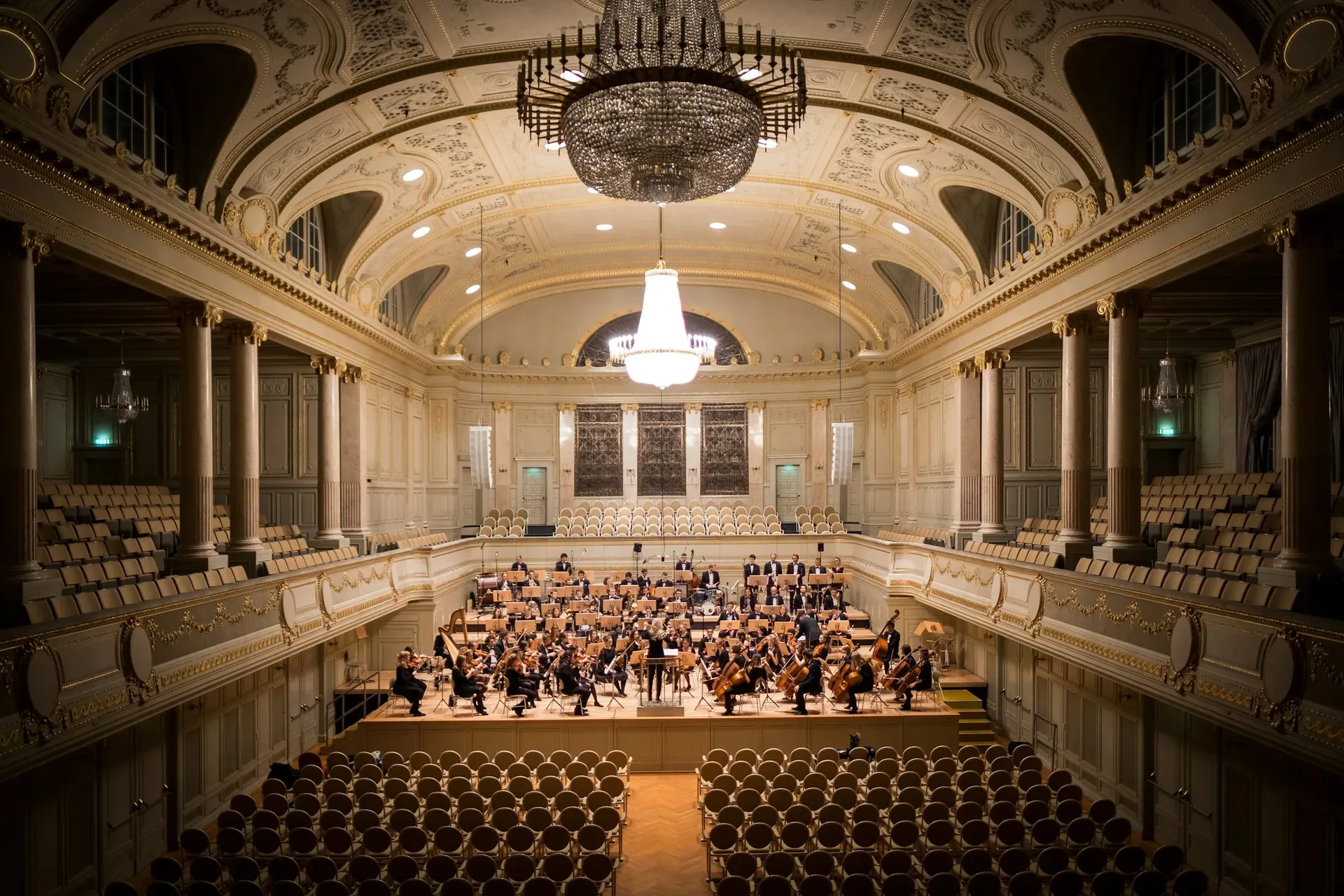
About the orchestra
History
Founded in the 1940s, and a recording orchestra from its earliest seasons.
- 10
- records a year for Decca
- 40+
- complete musicals recorded
- No. 1
- most recorded orchestra at Abbey Road
Founded in the 1940s
The National Symphony Orchestra was founded in the 1940s when it was laying down an average of 10 records a year for Decca with famous conductors and soloists.
The orchestra was assembled in wartime London by the conductor Sidney Beer, who had come back from conducting in Salzburg and Vienna to find a city with almost no orchestral music left in it. The first concerts were Saturday afternoons at the Savoy Theatre in the opening months of 1941, then at the Queen’s Hall — which was gutted by an incendiary bomb on the night of 10 May that year, three months after the orchestra had begun playing there. The players moved to Sunday concerts at the Phoenix Theatre, took the name National Symphony Orchestra in 1942, and reached the Royal Albert Hall on 19 January 1943 with Cyril Smith at the piano.
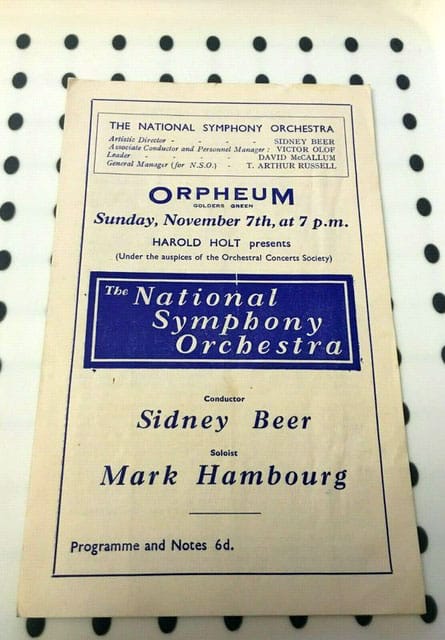
The programme above prints no year — only “Sunday, November 7th”, which since the orchestra began falls in 1943, 1948 or 1954. The masthead points at the earlier end: Sidney Beer as Artistic Director, Victor Olof as Associate Conductor, David McCallum leading, and Harold Holt presenting, which is the same team named on the 1945 Albert Hall programme further down. That is inference, not a date the document gives. Programme and notes, sixpence.
London, 1941
1941
Sidney Beer came back from conducting in Salzburg and Vienna to a London with almost no orchestral music left in it.
February
The first concerts were Saturday afternoons at the Savoy Theatre. Then the orchestra moved to the Queen’s Hall.
10 May
That night the Queen’s Hall was gutted by an incendiary bomb. The orchestra had been playing there for three months.
1942
They moved to Sunday concerts at the Phoenix Theatre, and took the name National Symphony Orchestra.
19 January 1943
The Royal Albert Hall, with Cyril Smith at the piano.
Young men, when other orchestras had none
Throughout World War 2 almost all of the NSO’s musicians were active personnel and therefore unlike many other orchestras, who relied on musicians were either too old or otherwise unfit for military service, the orchestra was composed of young men. The records made between 1944 and 1946 are considered by experts to be outstanding, especially when compared with pre-war orchestras.
Beer could pay for players and the war had made them available in an unlikely way: the wind section came largely from the RAF Central Band at Uxbridge, young musicians in uniform and stationed close enough to London to play. Among them was the horn player Dennis Brain, then barely twenty. Reginald Kell led the clarinets, Léon Goossens played oboe, and Norman Del Mar — later far better known as a conductor — was in the horn section too. David McCallum, whose name is printed as Leader on both programmes here, went on to lead the Royal Philharmonic under Beecham, and twenty years after that played on the Beatles’ “A Day in the Life”. When this period ended, its players went on to become principals of the Royal Philharmonic and the Philharmonia.
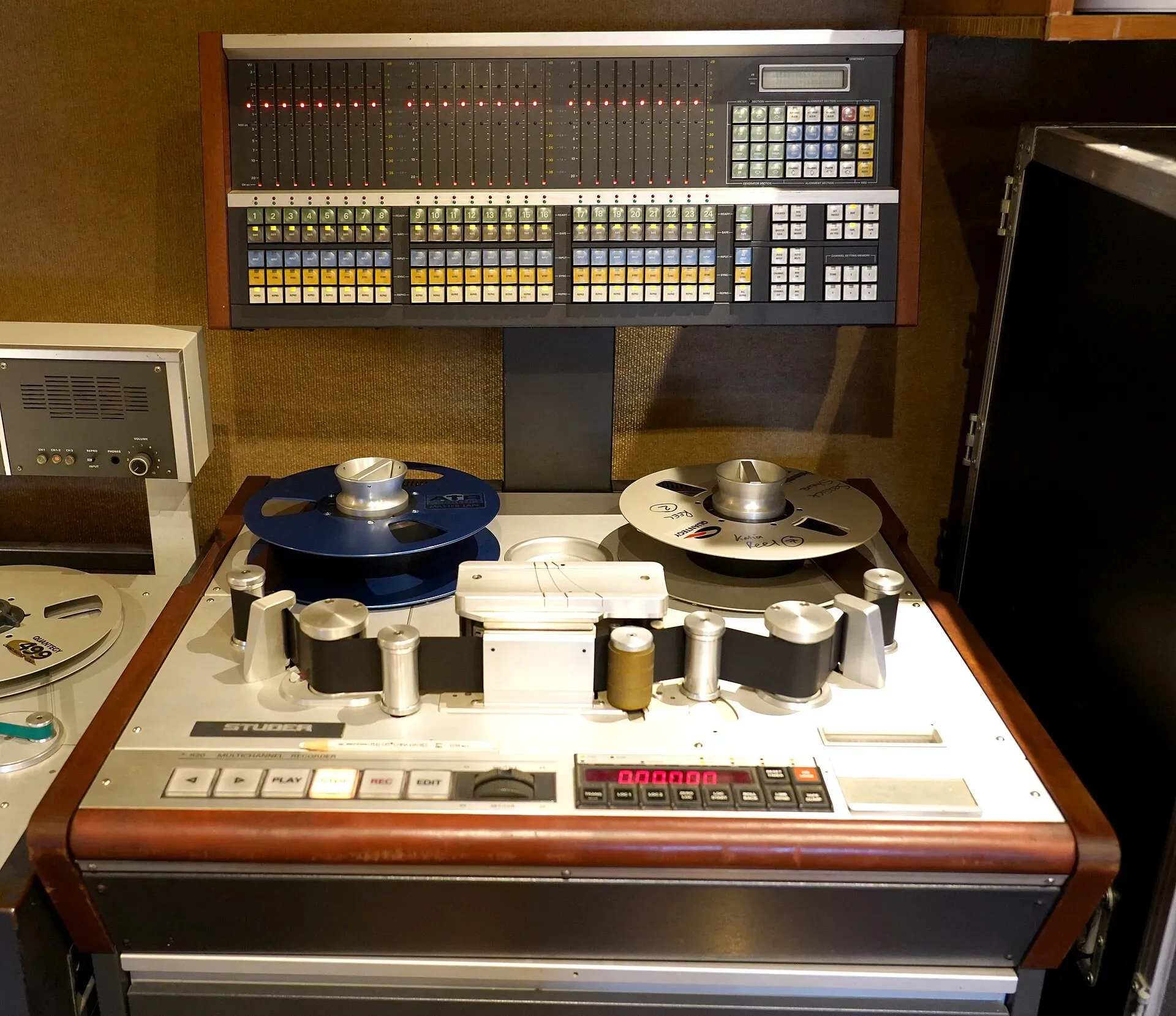
Ten records a year for Decca
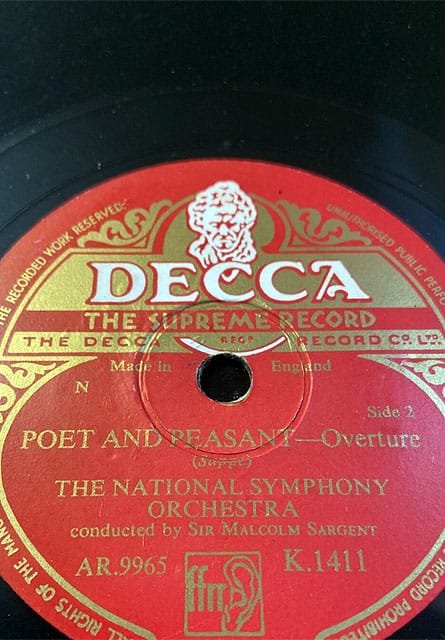
The Decca contract ran through the middle of the war and into the peace, and it put the orchestra at the front of a technical revolution. Decca’s full frequency range recording — ffrr, the little ear printed on the label — was developed to train airmen to hear the difference between British and German submarines, and it made commercial records sound closer to an orchestra than anything before them. The sessions were at Kingsway Hall. Tchaikovsky’s Fifth, recorded there under Beer on 8 June 1944, is reckoned the first major orchestral work committed to the new process. Malcolm Sargent, Anatole Fistoulari and Boyd Neel conducted; Clifford Curzon, Moura Lympany and Kathleen Long played.
Casals at the Albert Hall
The Royal Albert Hall’s archive still holds the evenings, and they read like a different world. On 10 October 1943, a Harold Holt Sunday concert: Wagner, Grieg’s Piano Concerto with Katharine Goodson, Tchaikovsky’s Francesca da Rimini, and Joan Hammond singing Puccini. On 6 March 1945, Mendelssohn’s Violin Concerto with the twenty-one-year-old Yfrah Neaman, and Mahler’s Fourth — programmed in Britain in 1945, which was itself a statement. Seats ran from three shillings and sixpence to five guineas. On 5 November 1946, Elisabeth Schumann sang Strauss and Mozart before Beethoven’s Seventh.
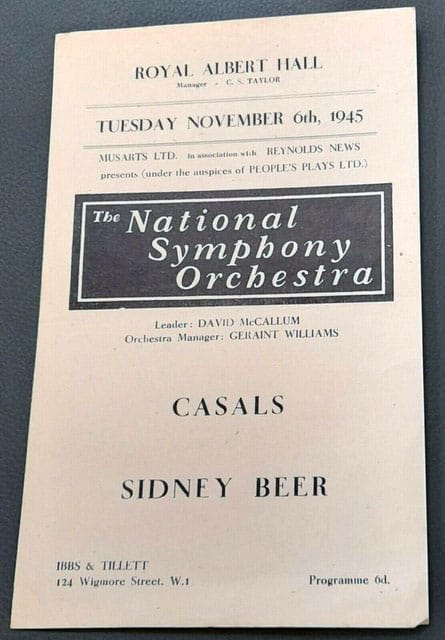
And on the evening of Tuesday 6 November 1945, six months after the war in Europe ended, the orchestra played the Royal Albert Hall with Pablo Casals. The programme is below.
On film
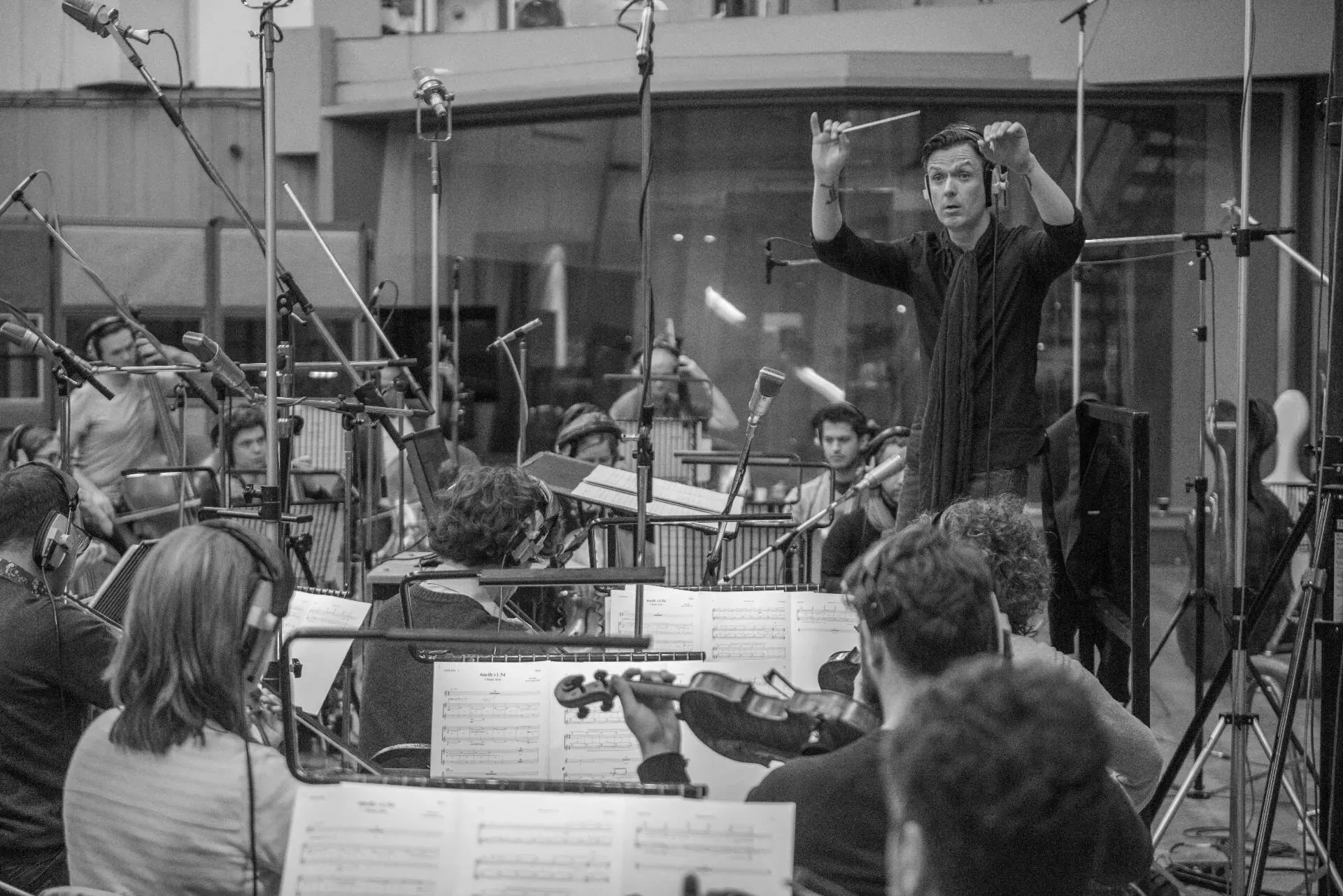
The NSO also recorded the music for many films, including: “Brief Encounter”, “Caesar and Cleopatra”, “The Magic Bow” and have appeared in films, such as Stephen Fry’s “Bright Young Things” and “De-Lovely”, the film of the life of Cole Porter for MGM with Kevin Kline and Robbie Williams.
Two of those are among the most-heard British film scores ever recorded. It is this orchestra playing Rachmaninov’s Second Piano Concerto under Muir Mathieson, with Eileen Joyce at the piano, through every scene of David Lean’s “Brief Encounter” — the music has become so bound up with the film that most people cannot hear one without the other. The same conductor took the orchestra through Georges Auric’s score for “Caesar and Cleopatra” and William Alwyn’s for “The Rake’s Progress”, both in 1945. In 1946 came “The Magic Bow”, the Paganini picture, with Yehudi Menuhin playing the solos and the orchestra’s own leader coaching Stewart Granger to look like a violinist.
More recently
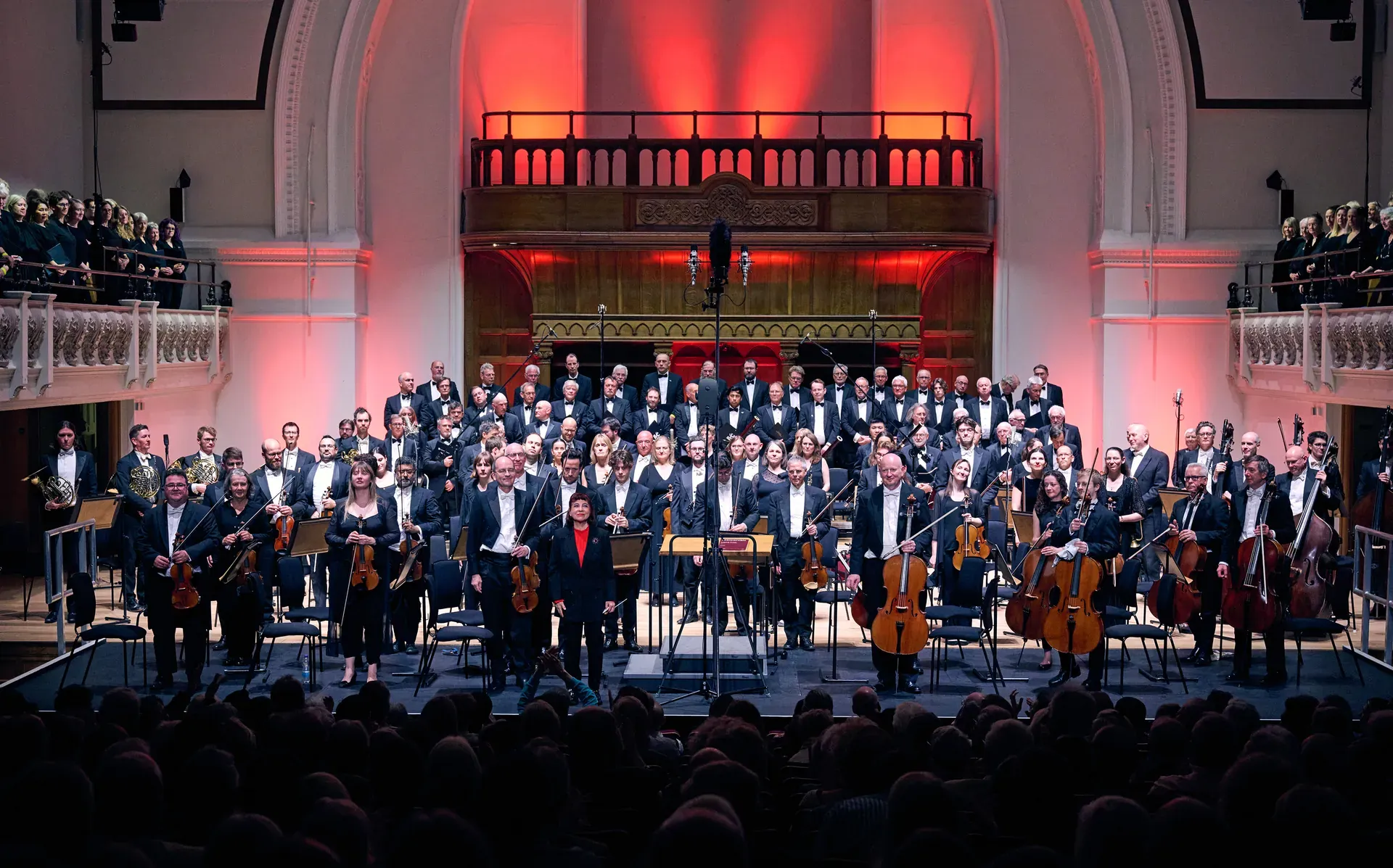
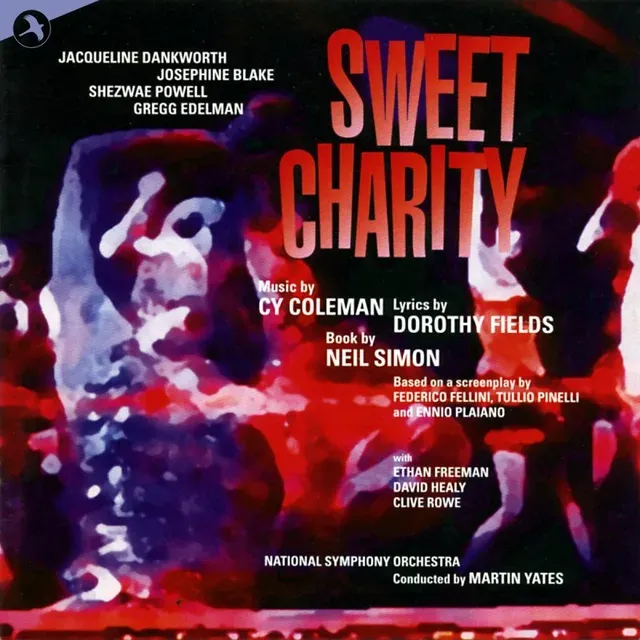
More recently the NSO has recorded, in their entirety, more than 40 complete major classic musicals. This significant compilation has contributed to the fact that the NSO is the most recorded orchestra at EMI Abbey Road Studios. The works, marketed mainly in the USA, often sold more than 1.5 million copies per musical
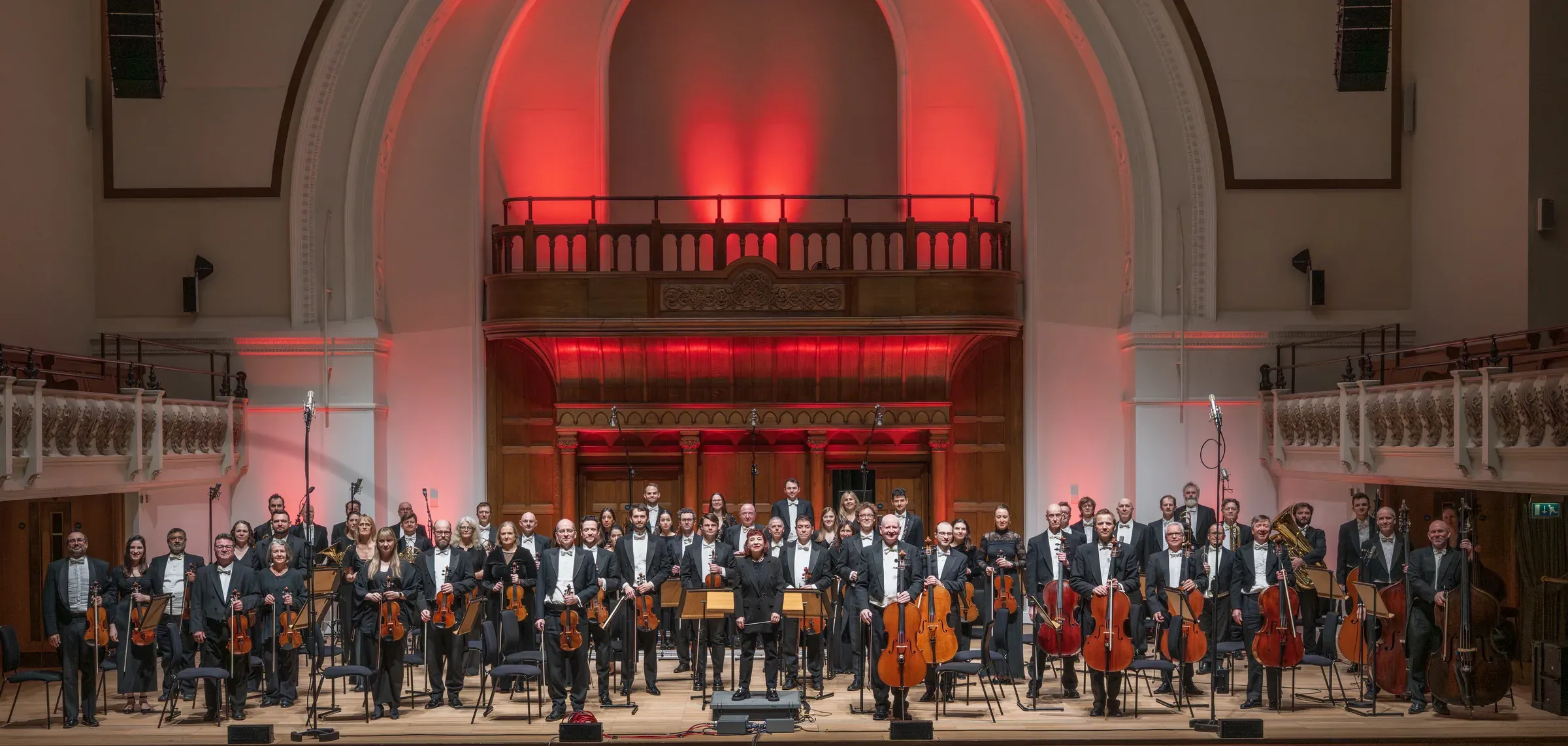
The NSO is one of the busiest and most highly regarded freelance orchestras in the UK. The NSO choses it’s players not only for their musical talent and technical ability, but also for their desire to give their best.
The record
1941 to 2025
28 dated entries — the moments the archive can evidence, and every recording in the catalogue that carries a year. The gap in the middle is real.
1940s
- 1941
Sidney Beer forms an orchestra in a blacked-out city
Saturday afternoons at the Savoy Theatre, then the Queen’s Hall — gutted by an incendiary bomb on 10 May, three months after the orchestra had begun playing there.
- 1942
It takes the name National Symphony Orchestra
Sunday concerts at the Phoenix Theatre, with the wind section drawn largely from the RAF Central Band at Uxbridge — Dennis Brain among them, barely twenty.
- 19 Jan 1943
First Royal Albert Hall concert
Cyril Smith at the piano. By the October the orchestra was playing Harold Holt’s Sunday series there — Grieg’s Piano Concerto, Tchaikovsky, and Joan Hammond singing Puccini.
- 8 Jun 1944
Tchaikovsky’s Fifth, and a new way of recording
Cut at Kingsway Hall under Beer, and reckoned the first major orchestral work committed to Decca’s full frequency range process — developed to teach airmen to tell a British submarine from a German one.
- 1945
Brief Encounter, and Rachmaninov under Muir Mathieson
Eileen Joyce at the piano. The same conductor took the orchestra through Georges Auric’s Caesar and Cleopatra and William Alwyn’s The Rake’s Progress in the same year.
- 6 Nov 1945
Casals at the Royal Albert Hall
Six months after the war in Europe ended. Musarts Ltd with Reynolds News; leader David McCallum, orchestra manager Geraint Williams.
- 5 Nov 1946
Elisabeth Schumann sings Strauss and Mozart
Before Beethoven’s Seventh, at the Albert Hall. Seats that season ran from three shillings and sixpence to five guineas.
- 1946
The Magic Bow, with Menuhin
Yehudi Menuhin played the solos for the Paganini picture; the orchestra’s own leader coached Stewart Granger to look like a violinist.
- 1941
2020s
- 2020
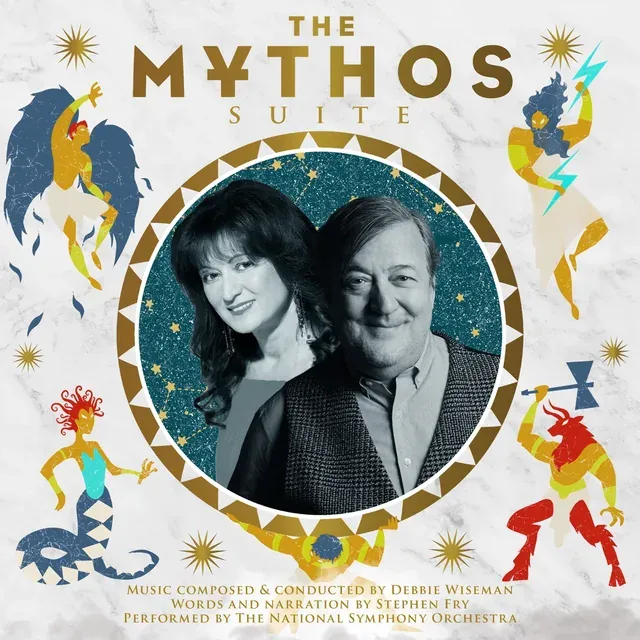 The Mythos Suiteclassical
- 2021
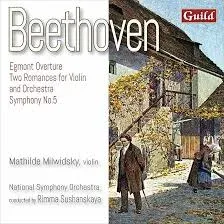 Beethoven: Egmont Overture; Two Romances; Symphony No. 5classical
- 2021
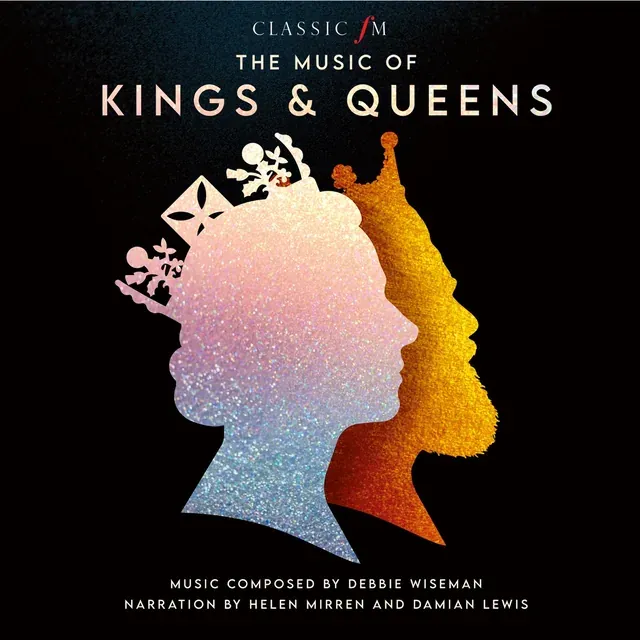 The Music of Kings & Queensclassical
- 2021
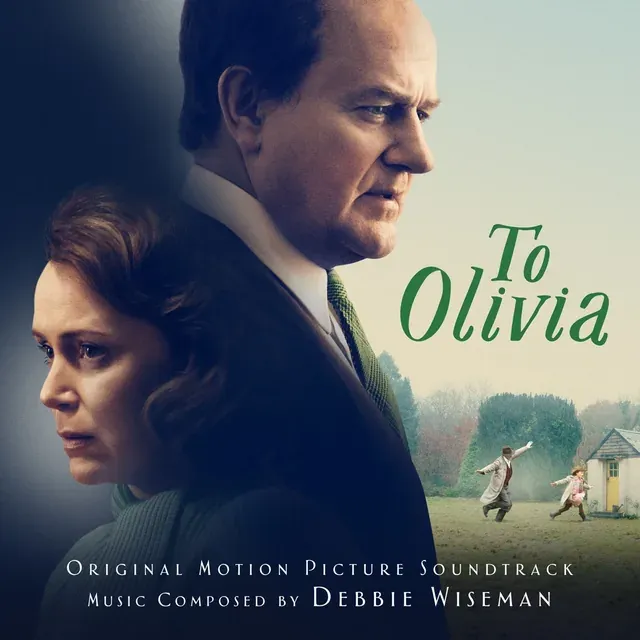 To Oliviafilm
- 2022
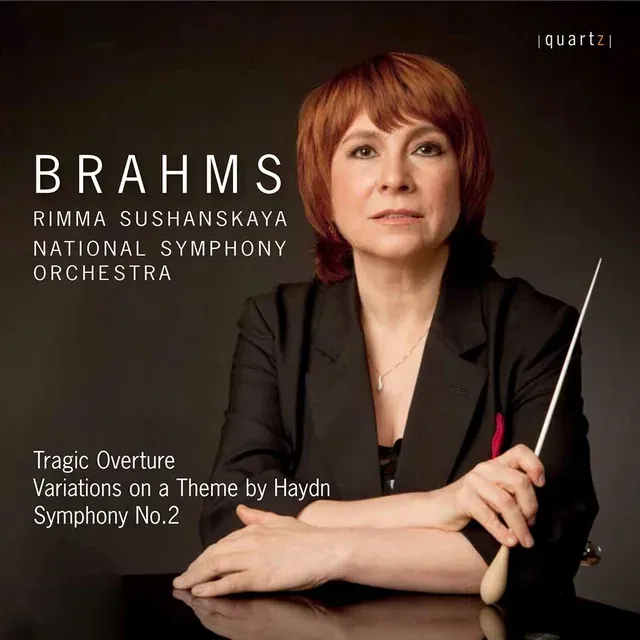 Brahms: Tragic Overture; Haydn Variations; Symphony No. 2classical
- 2024
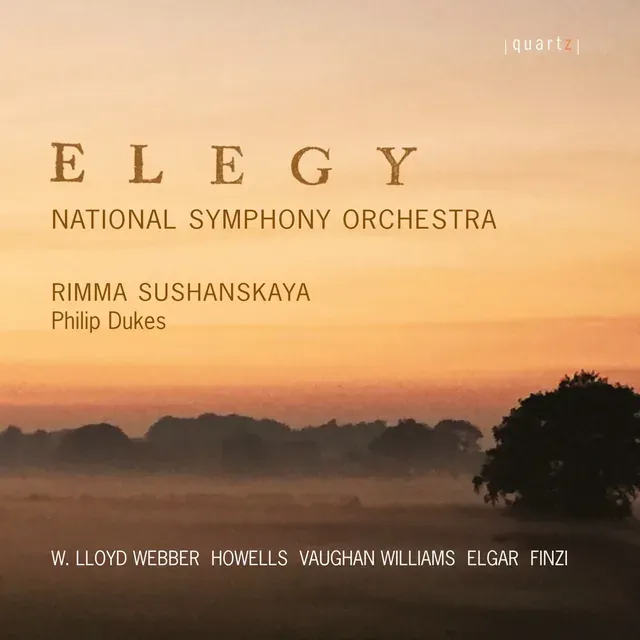 Elegyclassical
- 2024
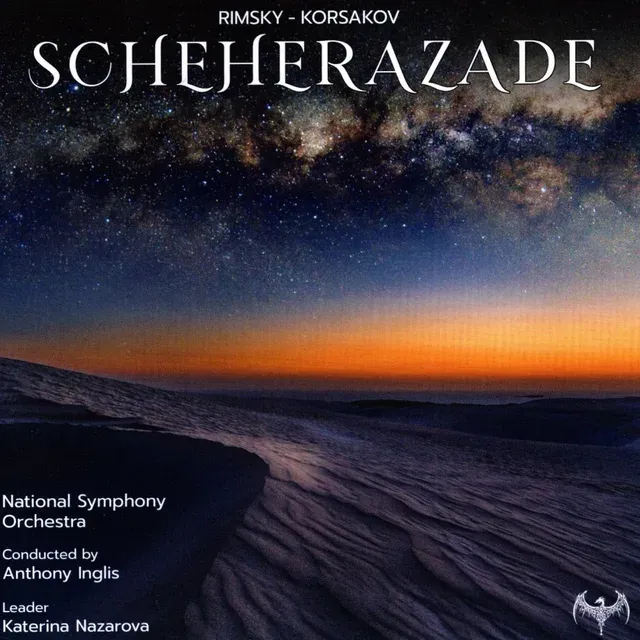 Rimsky-Korsakov: Scheherazadeclassical
- 2025
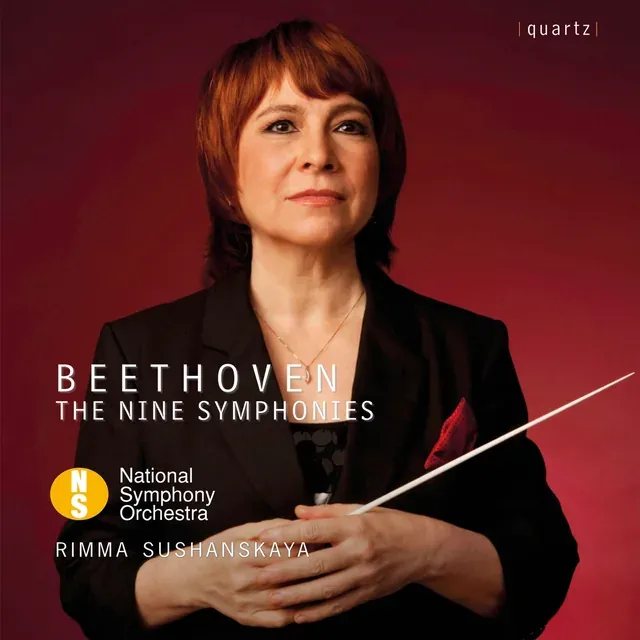 Beethoven: The Nine Symphoniesclassical
- 2020
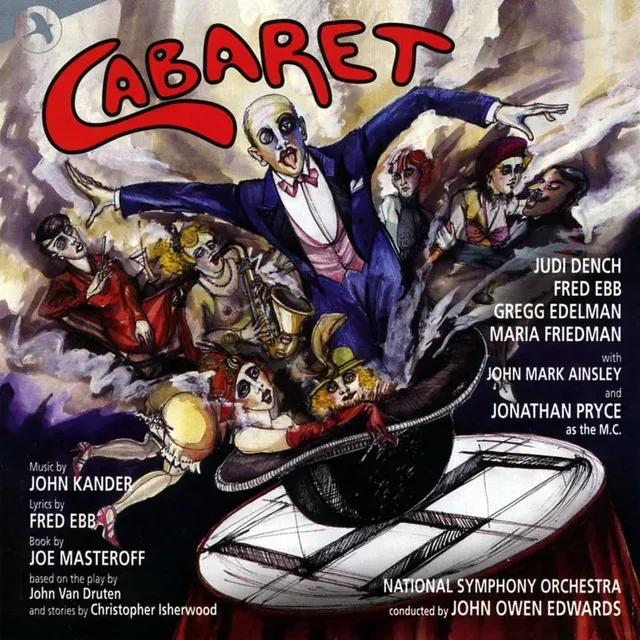
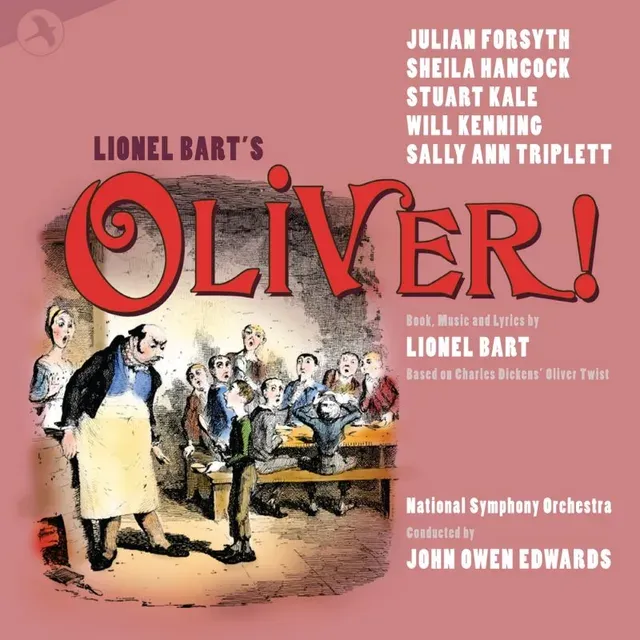
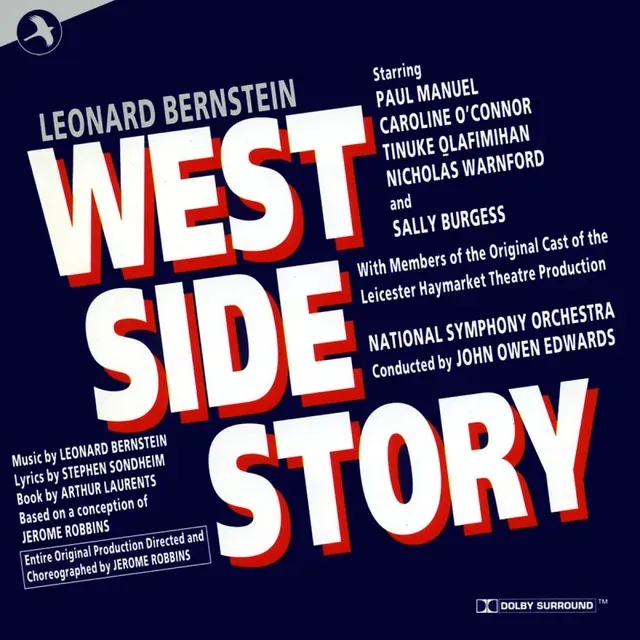
Eight more recordings are in the catalogue without a year — the Jay Records musicals, whose label pages print a catalogue number and no date. They are on the discography, where order is not a claim.